In a significant move to strengthen UK-Libya business relations, the Libyan British Business Council (LBBC) recently organized a pivotal meeting with Libya’s National Oil Company (NOC). The event, hosted by Dr. Khalifa Rajab Abdulsadek, saw the participation of several key directors, committee members, and CEOs from NOC subsidiaries. A handful of prominent British companies, including Dawnthrive Limited, were also in attendance.
The meeting provided a platform for in-depth discussions on enhancing cooperation and exploring new opportunities within Libya’s vital oil sector. The presence of prominent NOC officials and leading British companies underscored the importance of this engagement, reflecting the mutual interest in fostering stronger economic ties between the UK and Libya.
Discussions centred around strategic initiatives, potential collaborations, and the exchange of expertise to support the growth and development of Libya’s oil industry. Dawnthrive Limited, along with other British firms, contributed valuable insights and highlighted their commitment to supporting Libya’s energy sector. This meeting marks a significant step towards bolstering the long-standing relationship between the UK and Libya, paving the way for future partnerships and shared success in the energy sector.
Dawnthrive Limited recently visited Libya in collaboration with the Libyan British Business Council (LBBC) and with the support of the British Embassy. During this visit, Dawnthrive Limited engaged in a series of productive meetings with key players in the Libyan oil industry, including Waha Oil Company, Zueitina Oil Company, Mellitah Oil & Gas, Mabruk Oil Operations, Nafusah Oil Operations, and Halliburton.
These discussions aimed to explore potential collaborations and opportunities within the Libyan oil sector, reflecting Dawnthrive Limited’s commitment to expanding its presence and strengthening relationships in the region.
Personal protective equipment (PPE) can include items such as eye protection, gloves, safety helmets, earplugs, high-visibility clothing, ear defenders, hazmat suits, safety footwear and respiratory protective equipment. In hospitals and medicals settings, disposable PPE like single-use masks are be provided, but other job settings call for heavy-duty protective equipment.
At the workplace, other precautions should be taken before PPE, to ensure that the environment is safe and to minimise risk. It is also important to keep in mind that effective protection can only be achieved when the protective equipment is correctly fitted, maintained and properly used at all times.
Protective equipment is designed to shield:
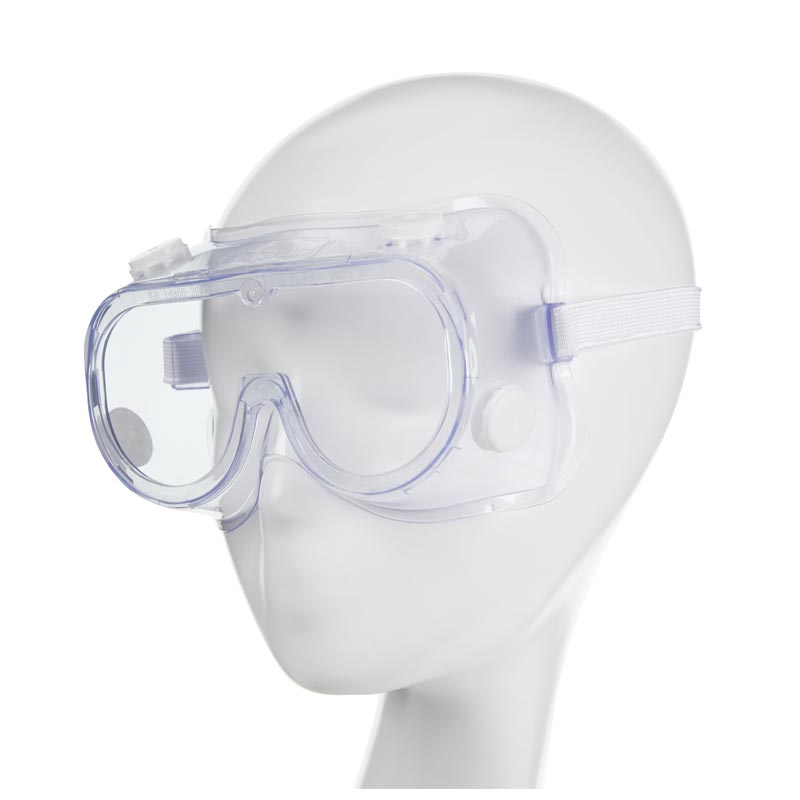
The eyes, e.g. from flying debris or irritating liquids
The lungs, e.g. from breathing in airborne contaminates
The skin, e.g. from coming into contact with corrosive substances
The head, e.g. from falling debris
The hands and feet, e.g. from cuts and abrasions
The ears, e.g. from loud noises
The body, e.g. from extreme temperatures
While PPE greatly reduces the risk of injury, other precautions should be taken to ensure that the environment is safe and to lessen the chance of an accident.
Related: Best-selling Personal Protective Equipment
It is the employer’s responsibility to ensure that all workers are provided with the appropriate safety equipment for their job role, and instructed on how to use it. For example, welders must be supplied with suitable welding helmets to protect their eyes and face, as well as heat-resistant gloves, and construction workers will need safety helmets are ear protectors.
Related: What is the difference between medical grade and non-medical grade PPE?
The five most common types of PPE include face protection, body protection, hearing protection, hand protection and protective footwear.
Here is a brief explanation of each type, when they should be used and the variations available.
Face protection
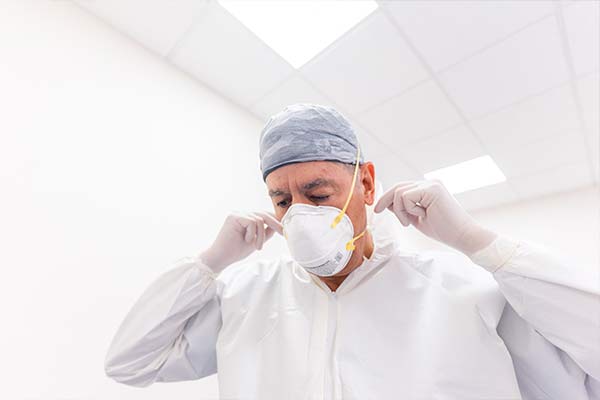
Single-use, surgical face masks, like disposable type IIR surgical face masks and disposable FFP2 respirator masks are loose-fitting masks intended to prevent contamination of the working environment, rather than to protect the wearer. They protect the mouth and nose against large droplets, but air leakage can occur around the edge of the mask when the user inhales.
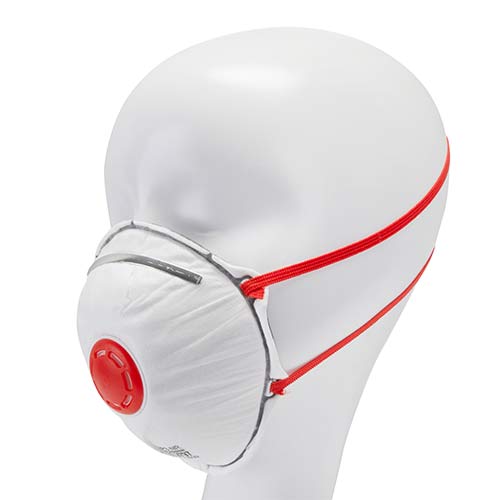
Respirator masks, like the Moldex 2405 FFP2 respirator mask,3M 8825 FFP2 respirator mask, and 3M 8825 FFP2 respirator mask have close facial fits and strong seals, to minimise leakage. Their filtration systems remove airborne contaminates and very fine particles from the air; FFP3 masks have a filter efficiency of over 99%. They are used by medical professionals, spray painters and anyone in contaminated air.
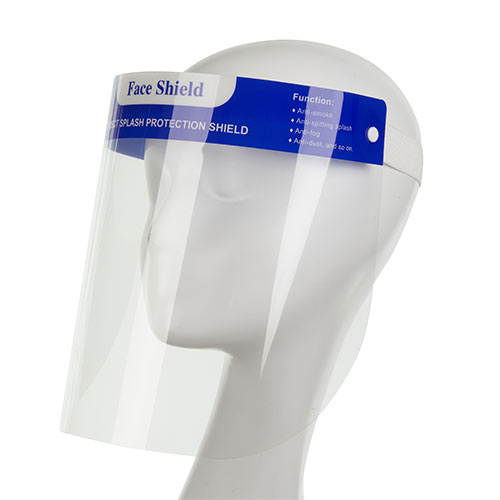
Safety goggles and face shields should also be used, to protect against foreign matter entering the wearer’s mouth, nose and eyes.
Related: What is the difference between surgical and respirator masks.
Body protection
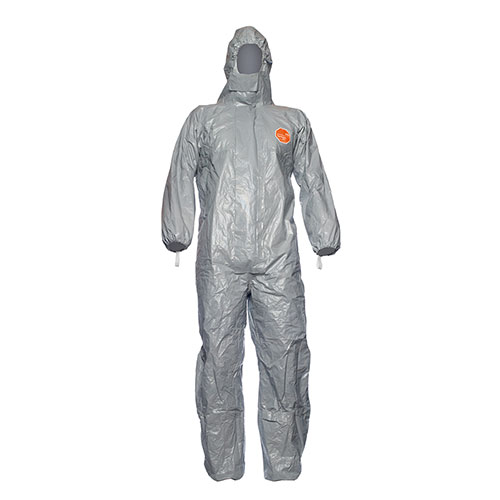
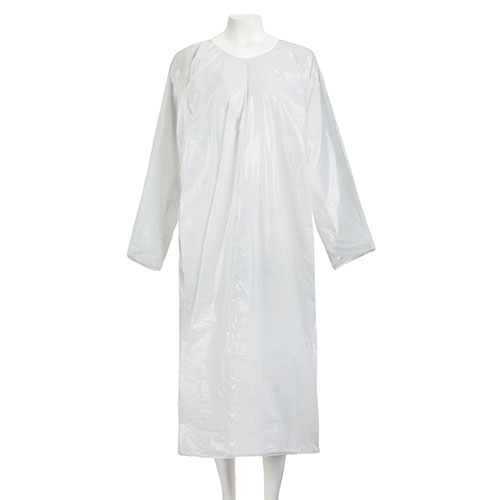
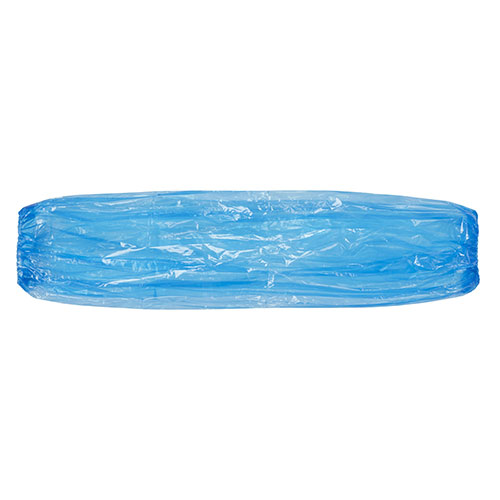
Disposable aprons, disposable arm cover sleeves, chemical suits, disposable plastic gowns, protective coveralls and boiler suits are examples of body protection that can be worn at the workplace. They can be used to prevent damage to own clothing, like stains and dust, or can be used to protect the wearer from chemicals, sharp objects, contaminated dust, extreme temperatures and more.
Workers operating around machinery or in low-visibility conditions should wear reflective high-vis gloves or high-vis jackets to ensure they are seen.
Hearing protection
Workers should be supplied with hearing protection, such as earplugs, earmuffs or headsets when working near loud noises.
Factory engineers are surrounded by loud machinery, and should therefore utilise hearing protection, to prevent tinnitus and other damage. The Minerva headset shields your ears while allowing for complete freedom of movement.
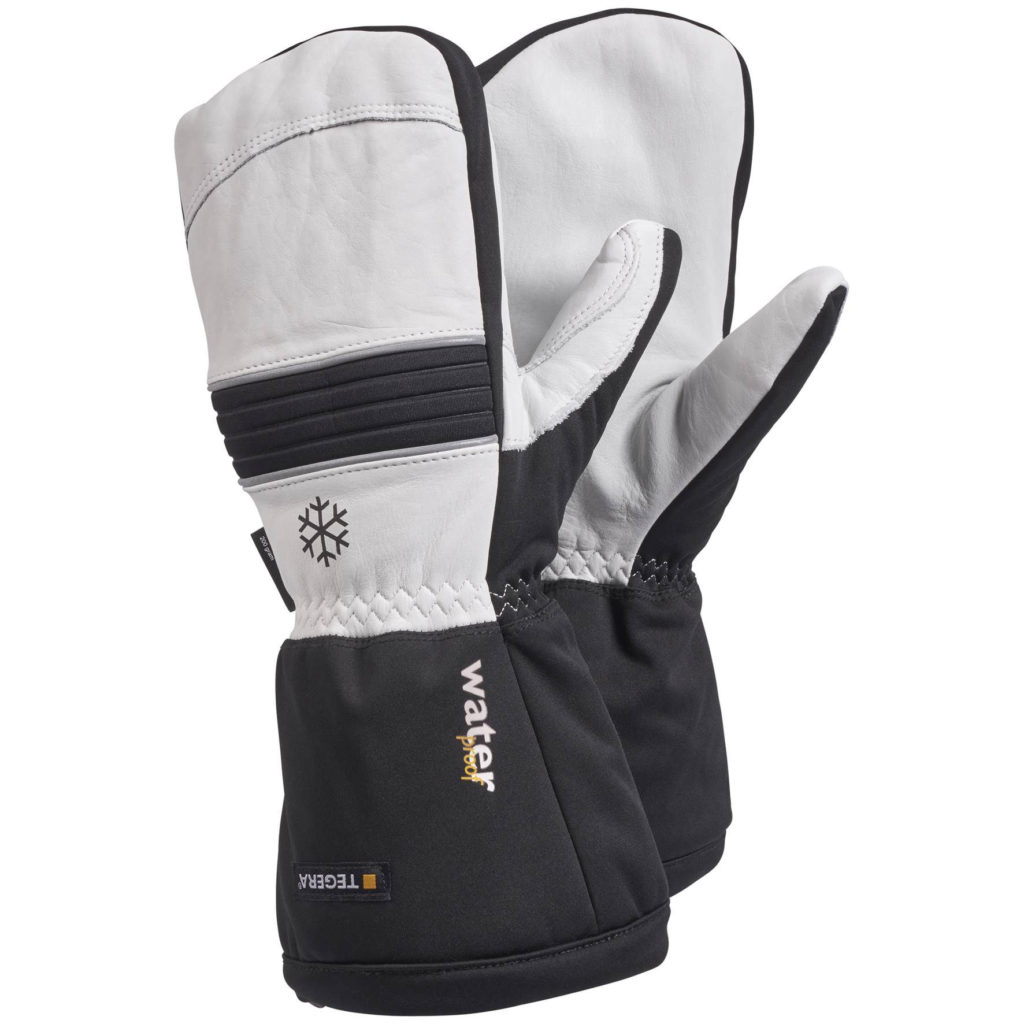
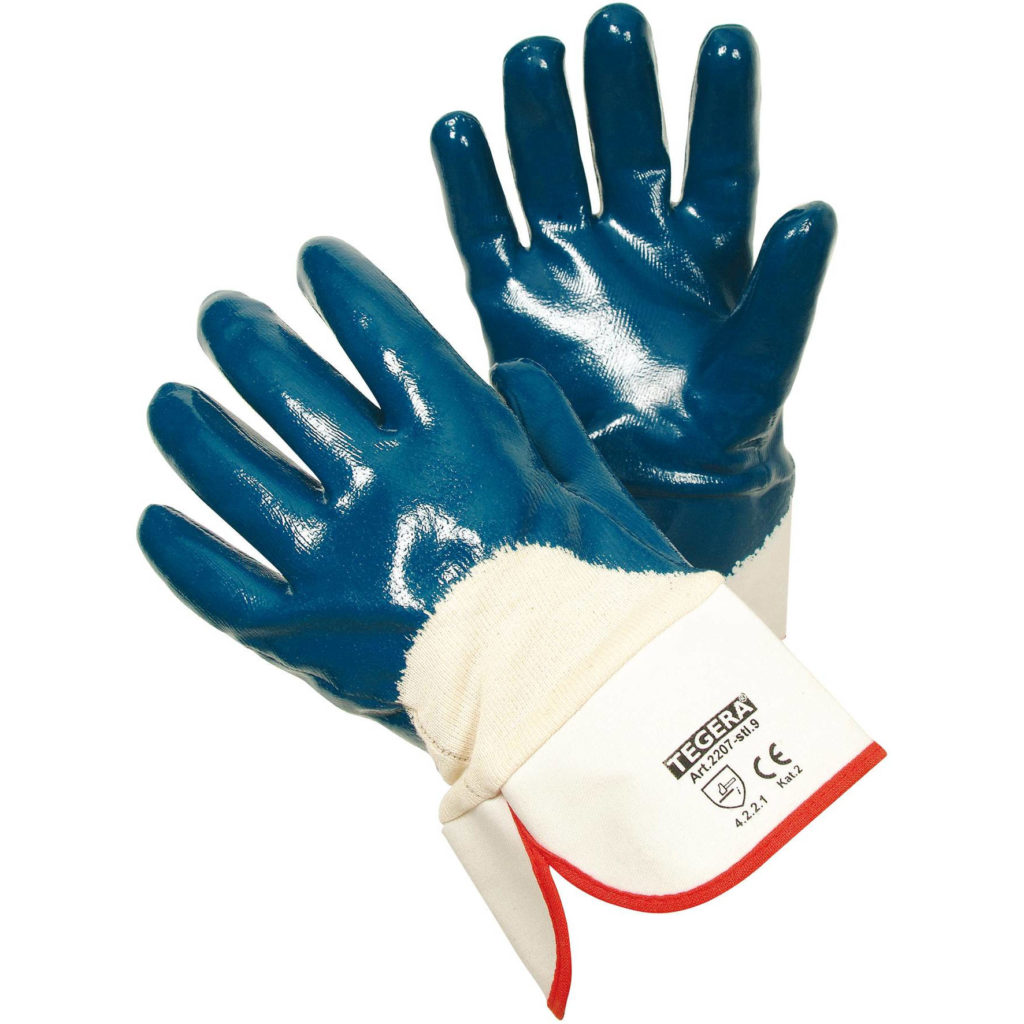
Over the past couple of years, the use of disposable gloves in everyday life has increased as a result of the pandemic. They shield the wearer’s hands from contacting infected surfaces and reduces transmission. Some of our most popular disposable gloves include Tegera 843 nitrile gloves, Tegera 85801 nitrile gloves and Tegera 555 waterproof gloves.
Related: What Standards should I be looking for when buying disposable gloves?
If you have any questions regarding our personal protective equipment, feel free to contact our team today via phone at 01794 830352 or via email at [email protected].
Most workplace injuries occur to the fingers, wrists, hands, toes, ankles and feet, so having good quality hand and foot protection is critical. This sort of safety equipment lowers the likelihood of your staff and visitors hurting themselves on the job.
At Dawnthrive Ltd, we provide a comprehensive selection of Ejendals work gloves and protective boots to help avoid workplace accidents and injuries. Ejendals gloves and boots are designed and developed in Sweden and provide the best combination of function and design for a wide range of applications.
Hand protection
Ejendals’ specialist range of work gloves is designed to shield hands from multiple workplace hazards, including extreme heat, water and chemicals. They protect hands from grazing, scratching, lacerations, blistering and abrasions.
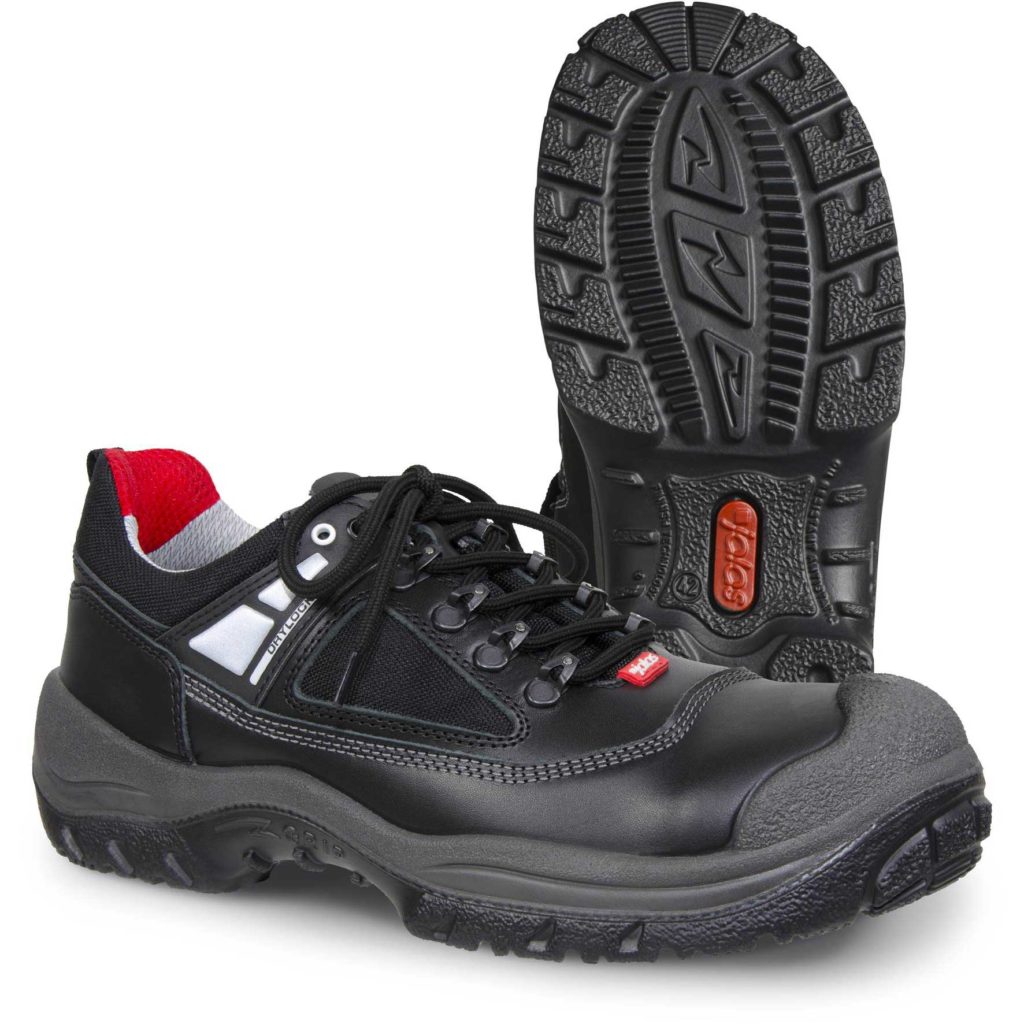
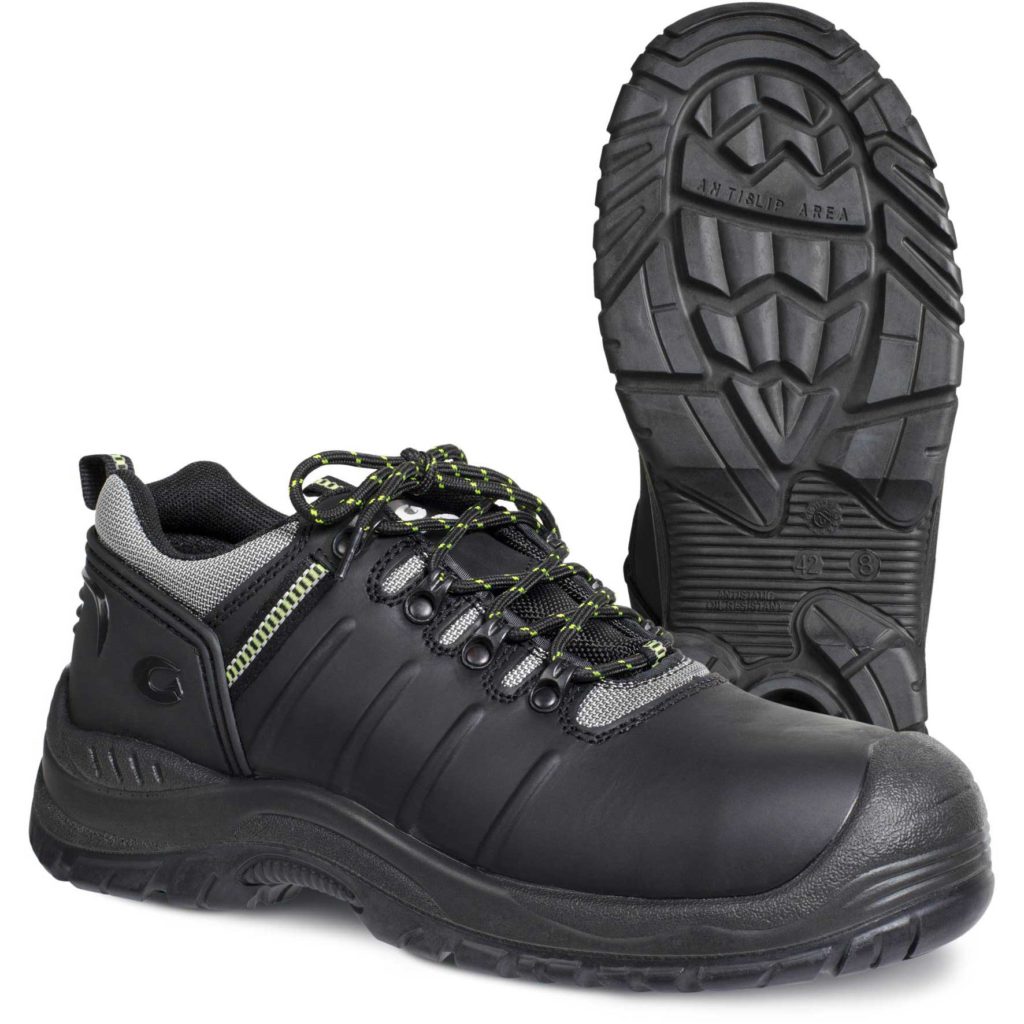
To combat different workplace hazards, certain working environments will require workers to use suitable protective footwear. Depending on the conditions, you may need waterproof shoes,shock absorbent shoes or even winter boots.
Ejendals footwear features ergonomic shoes, shock-absorbent work shoes, winter boots, and waterproof shoes, that will help lessen the chance of toe injuries, cold contact, nail penetration and other problems.
If you have any queries about our collection of protective hand and footwear, feel free to contact our team via phone at 01794 830352 or by email at [email protected].
Personal protection equipment (PPE) is vital for protecting employees from workplace dangers, that may result in injuries and diseases. PPE can be used to protect against contact with electrical, chemical and physical hazards. Body protection, face protection, hand protection, ear protection, and protective footwear are examples of PPE that are commonly used in the workplace.
It is critical to provide a safe working environment for employees and to encourage them to work cautiously. As a result, personal protective equipment (PPE) is essential. At Dawnthrive Ltd we provide a large selection of personal protective equipment for a wide range of sectors and situations.
Face Protection.
Face protection equipment greatly reduces the risk of inhaling contaminated air, dust, and airborne particles, as well as preventing liquid spatter and other materials from entering the wearer’s eyes, nose, and mouth.
Related: What is the difference between surgical and respirator masks?
Protective footwear.
To help protect feet against cuts, punctures and burns, prevent slips and falls, offer comfort and absorb impact, protective footwear should be worn in certain work environments.
Dawnthrive has been appointed as a fully authorised distributor of Cromwell brands, products and services in Pakistan. Cromwell Tools Limited, official distributors of industrial tools and consumables, are owned by W. W. Grainger, an American Fortune 500 industrial supply company. Cromwell are also the owners and distributors of a wide selection of registered trademarks, including Kennedy, Sherwood, Swiss+Tech, Rutland and more.
In the workplace, employee safety is the highest priority, so personal protective equipment (PPE) should be used to shield employees from workplace hazards. Face protection, body protection, foot protection, and hand protection are frequently used and can be either medical grade or non-medical grade.
Personal protective equipment should be chosen specifically to meet the needs of your company. Consider the following when deciding on the correct PPE for you:
Who is being exposed to the risk?
What are they being exposed to and how long for?
How much are they being exposed to?
According to The Health and Safety Executive, the above questions will help you evaluate whether medical grade or non-medical grade protective equipment is required.
Do I need medical-grade or non-medical grade PPE?
Medical-grade PPE describes protective equipment that is used in medical environments, such as in hospitals, operating theatres, dentists and clinical settings. The equipment is designed to shield wearers from infections, bacteria, viruses and other airborne diseases.
Non-medical grade PPE is used to protect construction workers, automotive workers, binmen and any others working in a non-medical environment. This equipment protects from chemicals, particulates, falling objects, flames and anything else a worker may encounter in their field. An example of non-medical grade PPE is a welding helmet, used to protect the eyes from the bright lights and sparks.
What’s the difference between medical grade and non-medical grade PPE?
Most medical-grade face masks are single-use only, as they are used in clinical settings where there’s a risk of contamination. On the other hand, non-medical face masks are often washable and reusable.
Medical grade face masks sold in the UK must be CE certified in accordance with the Personal Protective Equipment (Enforcement) Regulations 2018. There are also testing standards that must be met, like the design and safety requirements set out by the Medical Device Regulations.
Medical grade face masks also have droplet filtration systems, which filter out particles and droplets of bacteria in the air in order to stop the spread of infection. These filtration systems must meet certain standards before being sold.
Categories of Medical Grade PPE
The NHS website divided medical-grade PPE into two categories based on the level of protection necessary: Level 1 PPE and Level 2 PPE.
Level 1 PPE
Single pair of gloves
Disposable plastic apron
Fluid repellent surgical mask
Eye protection if you feel there is a risk of patient coughing, or splash or droplet exposure. Eye protection to be worn if directly caring for patients with confirmed or suspected COVID-19
Level 2 PPE
Single pair of gloves
Long-sleeved fluid repellent gown
FFP3 respirator
Eye protection (visor which can be disposable or reusable)
It is advised that Level 1 PPE is worn when caring for patients who are confirmed or suspected COVID-19 or when caring for any patient where there is a risk of body fluid exposure risk. Level 2 PPE should be worn for all aerosol-generating procedures (AGPs) where the patient is suspected or confirmed to have COVID-19.
For further information about non-medical or medical-grade personal protective equipment supplied by Dawnthrive Ltd, don’t hesitate to contact our team. We can be reached at [email protected] or via phone at 01794 830352.
Dawnthrive Limited is an appointed and authorised reseller for DB Santasalo in Pakistan and are able to supply a full complement of their products including heritage brands such as AccuDrive, Alstom Gears, Bostock & Bramley, Coventry Gears, David Brown, Ferri, Frenco, GEC Alstom Gears, GEC Marine & Industrial Gears, Hamworthy Hydraulics & Transmissions, Hygate Gears, Jackson Gears, John Welsh, Keighley Gears, Maag Italia, Metropolitan Vickers, Metso Drives, Modern Wheel Drive, Moventas Industrial, Paramount Gears, Powauto, Power Plant Gears, Radicon, Rauma Repola, Said, Santasalo, Sauerwald, Sonnerdale Richardson, Valmet, Wärtsilä, Weco and Wiseman Gears UK.
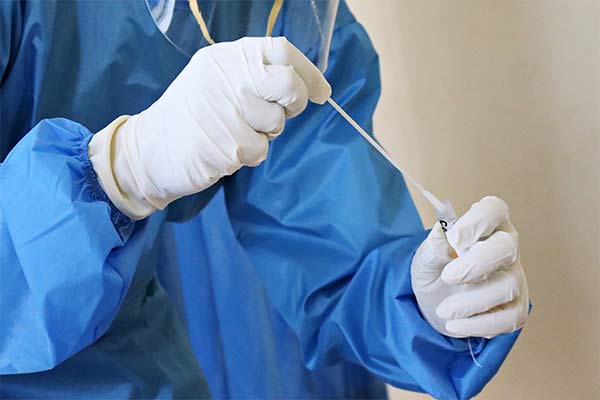
We are happy to announce that we now supply coronavirus rapid antigen tests. Within 10-15 minutes, these rapid tests will either detect the body’s reaction to coronavirus or identify the virus antigen itself.
Our tests are supplied by SureScreen, a British award-winning company with almost 25 years of experience providing tailored diagnostic solutions to companies all around the world. SureScreen specialises in quick diagnostic testing kits, drug and alcohol testing devices, and other medical equipment.
SureScreen’s rapid Covid-19 tests can be used on anyone, including pregnant or breastfeeding women, babies and young children. These tests allow patients to be screened from anywhere, at any time and give swift results – saving you time and money.
The SureScreen COVID-19 Rapid Antigen Test Kit
Within 15 minutes, the fast antigen tests can detect COVID-19 antigen in a swab sample. This test is optimal for swiftly screening individuals for the presence of the virus, and it may be used in conjunction with an antibody test to widen the detection window. They are easy to use and read, with no specialist equipment required.
The test will be able to detect COVID-19 in asymptomatic people, as they will have an immune response even though they may not display symptoms. For reliable results, a swab is taken from the nose or throat, then is then introduced into the test cassette by suspension in a buffer solution.
COVID-19 rapid antigen test cassettes
Our coronavirus tests are CE marked for professional use and have a shelf life of 18 months from the date of manufacture.
At Dawnthrive Ltd, we also provide a range of COVID-19 PPE to ensure the safety and protection of your staff and guests. Disposable gloves, face masks, disposable gowns, and sanitising products are all available on our website.
Contact our team today to enquire about our rapid tests or Covid-19 personal protective equipment. Call us on 01794 830352 or email us at [email protected].